What is triacetin?
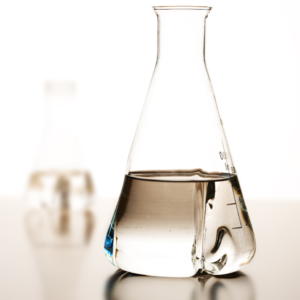
Triacetin is the organic compound with the formula C₃H₅(OCOCH₃)₃. It is classified as a triglyceride, the triester of glycerol with acetic acid. It is a colorless, viscous, and odorless liquid with a high boiling point and a low melting point.
What is triacetin in skin care?
Triacetin is widely used in cosmetics for its diverse benefits. As an emollient, it helps moisturize and soften the skin, improving its texture and smoothness. It also acts as a solvent, helping to dissolve active ingredients and enhancing the overall stability of cosmetic formulations. There is no fixed standard for the recommended usage of triacetin in cosmetic moisturizing, because its usage will vary depending on the specific product type, moisturizing needs, and the synergy of other ingredients.
1. Factors affecting usage
Product type: In lotions and creams, a higher content (such as 5-10%) is usually required to provide good moisturizing effects.
Moisturizing needs: For products used on dry skin or in dry environments, the usage may need to be appropriately increased.
Other ingredients: The synergy with other moisturizing ingredients (such as glycerin, hyaluronic acid, etc.) will also affect its usage.
2. Recommended usage range
In cosmetics, the usage of triacetin is usually between 0.1-10%. The specific usage should be adjusted according to the characteristics of the product and the purpose of use.
3. Safety precautions
The use of triacetin in cosmetics is safe, but excessive use may cause increased greasy feeling on the skin. Therefore, it is recommended to adjust the amount according to the needs of the product and the effect of use.
Triacetin is widely used in cosmetics for its diverse benefits. As an emollient, it helps moisturize and soften the skin, improving its texture and smoothness. It also acts as a solvent, helping to dissolve active ingredients and enhancing the overall stability of cosmetic formulations. There is no fixed standard for the recommended usage of triacetin in cosmetic moisturizing, because its usage will vary depending on the specific product type, moisturizing needs, and the synergy of other ingredients.
1. Factors affecting usage
Product type: In lotions and creams, a higher content (such as 5-10%) is usually required to provide good moisturizing effects.
Moisturizing needs: For products used on dry skin or in dry environments, the usage may need to be appropriately increased.
Other ingredients: The synergy with other moisturizing ingredients (such as glycerin, hyaluronic acid, etc.) will also affect its usage.
2. Recommended usage range
In cosmetics, the usage of triacetin is usually between 0.1-10%. The specific usage should be adjusted according to the characteristics of the product and the purpose of use.
3. Safety precautions
The use of triacetin in cosmetics is safe, but excessive use may cause increased greasy feeling on the skin. Therefore, it is recommended to adjust the amount according to the needs of the product and the effect of use.

What is triacetin used for?
It has been used for over 75 years for a wide range of uses, including cosmetic biocide (most often as a fungicide), plasticizer, solvent in cosmetic formulas, food additive (as a flavoring agent and adjuvant), and as a binder for combustible material in solid-rocket propellants.Triacetin is used as a pharmaceutical excipient in the manufacturing of capsules and tablets. In the pharmaceutical industry, triacetin is widely used as an antifungal agent and as a plasticizer for manufacturing capsules and capsule coatings.Triacetin has a significant moisturizing effect in cosmetics, which is mainly achieved through the following mechanisms:
1. Hygroscopic effect: Triacetin can absorb moisture from the environment and form a thin moisturizing film on the skin surface to prevent moisture loss.
2. Hydration: Combined with the skin’s natural moisturizing factors (such as glycerol), triacetin enhances the skin’s hydration and makes the skin more moisturized.
3. Softness: As a solvent, triacetin helps other moisturizing ingredients penetrate the skin better and exert their moisturizing effects.
Triacetin provides effective moisturizing effects for cosmetics through multiple mechanisms such as moisture absorption, hydration and promotion of penetration.
It has been used for over 75 years for a wide range of uses, including cosmetic biocide (most often as a fungicide), plasticizer, solvent in cosmetic formulas, food additive (as a flavoring agent and adjuvant), and as a binder for combustible material in solid-rocket propellants.Triacetin is used as a pharmaceutical excipient in the manufacturing of capsules and tablets. In the pharmaceutical industry, triacetin is widely used as an antifungal agent and as a plasticizer for manufacturing capsules and capsule coatings.Triacetin has a significant moisturizing effect in cosmetics, which is mainly achieved through the following mechanisms:
1. Hygroscopic effect: Triacetin can absorb moisture from the environment and form a thin moisturizing film on the skin surface to prevent moisture loss.
2. Hydration: Combined with the skin’s natural moisturizing factors (such as glycerol), triacetin enhances the skin’s hydration and makes the skin more moisturized.
3. Softness: As a solvent, triacetin helps other moisturizing ingredients penetrate the skin better and exert their moisturizing effects.
Triacetin provides effective moisturizing effects for cosmetics through multiple mechanisms such as moisture absorption, hydration and promotion of penetration.
Is triacetin a preservative?
Triacetin works to help dissolve and dilute substances, creating a consistent formulation. It assists in extending a product’s shelf life as a preservative, preventing the growth of unwanted substances within a product.
Triacetin works to help dissolve and dilute substances, creating a consistent formulation. It assists in extending a product’s shelf life as a preservative, preventing the growth of unwanted substances within a product.
What is triacetin in vitamins?
Triacetin (C9H14O6), also known as glyceryl triacetate, is pharmaceutical excipient used in manufacturing of capsules and tablets, and has been used as a humectant, plasticizer, and solvent. It is a liquid, and has been approved by the FDA as a food additive.
Triacetin (C9H14O6), also known as glyceryl triacetate, is pharmaceutical excipient used in manufacturing of capsules and tablets, and has been used as a humectant, plasticizer, and solvent. It is a liquid, and has been approved by the FDA as a food additive.
Why is triacetin bad for you?
Triacetin supplement has caused ocular irritation but no injury. Triacetin was not mutagenic. Although there were no available reproductive and developmental toxicity data, Triacetin was quickly metabolized to glycerol and acetic acid and these chemicals were not developmental toxins.
What are the side effects of triacetin?
Many people using this product do not have serious side effects. Tell your doctor right away if you have any serious side effects, including: mental/mood changes (such as confusion, hallucinations), ringing in the ears, difficulty urinating, vision changes (such as blurred/double vision).
Many people using this product do not have serious side effects. Tell your doctor right away if you have any serious side effects, including: mental/mood changes (such as confusion, hallucinations), ringing in the ears, difficulty urinating, vision changes (such as blurred/double vision).