
Kojic hape esmakordselt ekstraheerisid Jaapani teadlased 20. sajandi alguses Aspergillus oryzae'st. Loodusliku orgaanilise ühendina on sellel lai valik kasutusväärtusi, eriti valgendamisel ja vananemisvastases võitluses. Selle keemiline struktuur on benseenitsükkel, mis on ühendatud aldehüüdrühmaga. Sellel on tugev antioksüdantne ja ensüümivastane toime, mistõttu on see nahahoolduse valdkonnas kõrgelt hinnatud.
Puhta põhifunktsioon Kojic hape pulber on nahka valgendava efekti saavutamiseks, pärssides türosinaasi aktiivsust ja vähendades melaniini sünteesi. Melaniini süntees on nahavärvi muutuste algpõhjus, eriti ultraviolettkiirguse, keskkonnasaaste või vananemise korral. Suurenenud melaniini tootmine võib põhjustada nahaprobleeme, nagu laigud ja tedretäpid.
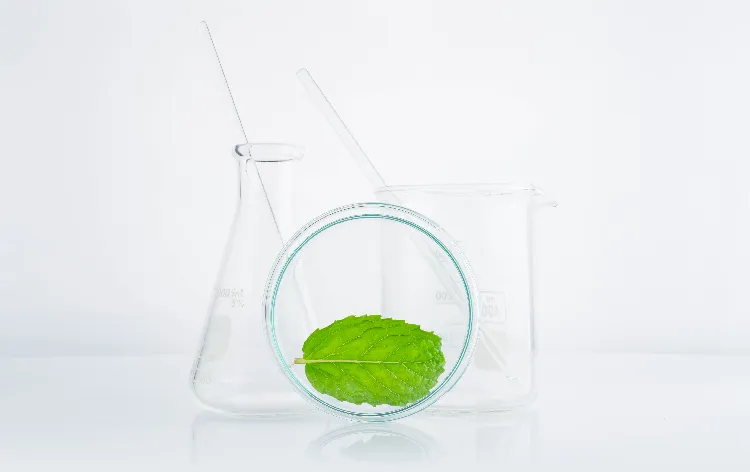
The mechanism of action of Kojic Acid in skin whitening
1. Inhibits tyrosinase activity
Tyrosinase is a crucial enzyme in the synthesis of melanin, which is involved in the conversion of the amino acid tyrosine into DOPA, which in turn generates melanin. Kojic hape binds to tyrosinase, inhibits its activity, and reduces the synthesis of melanin, thereby effectively reducing skin pigmentation. Studies have shown that can significantly reduce the production of melanin in the skin, help whiten the skin, and reduce spots and uneven skin tone.
2. Antioxidant effect
China Kojic Acid powder also has powerful antioxidant properties. The antioxidant effect not only helps prevent skin aging problems caused by free radicals, but also reduces damage to the skin caused by environmental factors (such as ultraviolet rays, pollutants, etc.). This antioxidant effect can effectively protect the skin and reduce skin dullness and pigmentation caused by external factors.
3. Acceleration of whitening effect
Several studies have shown that with the long-term use of Kojic hape, skin spots and uneven skin tone can be significantly improved. When used in combination with other whitening ingredients (such as vitamin C, arbutin, etc.), it can usually be enhanced, thereby accelerating the skin whitening process, evens out skin tone, and enhances skin brightness.
Clinical Research and Actual Effects of Kojic Acid
1. Skin whitening effect
Several clinical studies have shown that Kojic Acid has a significant improvement effect on skin pigmentation. During the 8-12 week treatment process, the use of products containing it can significantly reduce the appearance of spots, freckles and sun spots, and the overall brightness and uniformity of the skin are improved. For example, a clinical study involving 30 subjects showed that after using a cream containing 2% Kojic hape for four weeks, 88% of the subjects showed a significant lightening of the skin color, especially in the face and neck area.
2. Combined effect with other whitening ingredients
Studies have also shown that the combination of Kojic Acid with other whitening ingredients can significantly enhance the whitening effect. For example, the combination of it with vitamin C, arbutin and other ingredients can further inhibit melanin production and accelerate the lightening process of spots, especially for stubborn sun spots, age spots and other problems.
3. Safety and side effects
Most studies and clinical trials have shown that is safe for the skin at concentrations below 2% and has few side effects. However, some individuals may have an allergic reaction to Kojic hape, which may manifest as redness, itching, or mild irritation of the skin. Therefore, a patch test is recommended for first use. It may cause skin irritation or excessive peeling at high concentrations, so attention should be paid to concentration control when using it.
Application of Kojic Acid in Whitening Skin Care Products
1. Whitening creams and serums
Due to its significant whitening effect, Kojic Acid powder uses in various whitening creams, serums and masks. Usually, the concentration of it is controlled between 1% and 2% to ensure that it does not cause discomfort or irritation to the skin while exerting its whitening effect. Common formulas include the combination with other whitening ingredients (such as vitamin C, arbutin, niacinamide, etc.) to enhance the whitening effect.
2. Whitening facial cleansers and cleaning products
Kojic Acid is also widely used in whitening facial cleansers, cleansers and exfoliating products. Through daily cleaning and maintenance, Kojic hape võib järk-järgult vähendada pigmentatsiooni naha pinnal ja parandada ebaühtlast nahatooni. Selliste toodete eeliseks on see, et need suudavad pakkuda pikaajalist igapäevast hooldust, hoides naha kaua säravana.
3. Valgendav mask
Paljud näomaskitooted sisaldavad ka Kojic Acidi koostisosi, mida tavaliselt kasutatakse koos teiste niisutavate ja parandavate koostisosadega, näiteks hüaluroonhape, kollageen, arbutiin jne. Seda tüüpi tooted võivad pakkuda nahka intensiivselt valgendavat toitmist lühikese aja jooksul ja sobivad tarbijatele, kes soovivad kiiresti oma nahatooni parandada.
Kojic Acidi turuväljavaated ja väljakutsed
1. Turunõudlus
With the growing demand for whitening skin care products among consumers, it has broad application prospects in the global market. Especially in the Asian market, fair and translucent skin has always been the standard of aesthetics, which provides a strong market demand for the popularization of Kojic Acid whitening products.
2. Competition and challenges
Although Kojic Acid has a significant advantage in whitening effect, there are other ingredients on the market (such as arbutin, vitamin C, α-arbutinjne), mis pakuvad sarnaseid valgendavaid efekte. Seetõttu on tulevase tooteinnovatsiooni oluline suund, kuidas selle eeliseid paljude valgendavate koostisosade hulgast esile tõsta. Kojic Acidi ohutusprobleeme, eriti mõjusid ja kõrvaltoimeid pikaajalisel kasutamisel, tuleb samuti täiendavalt kinnitada rohkemate kliiniliste uuringute abil.
3. Eeskirjad ja ohutusnõuded
Erinevates riikides ja piirkondades kehtivad kasutuskontsentratsiooni ja toote spetsifikatsioonide kohta erinevad eeskirjad Kojic hape. For example, the EU has a maximum concentration limit of 1% for Kojic Acid, while the standards in some countries are more relaxed. Therefore, when manufacturers sell Kojic Acid products in the global market, they need to strictly abide by relevant laws and regulations to ensure the safety and compliance of the products.

Loodusliku valgendava koostisosana avaldab Kojic Acid märkimisväärset mõju naha valgendamisele ja pigmentatsiooni paranemisele. Sellest on saanud levinud koostisosa valgendavates nahahooldustoodetes üle maailma, pärssides türosinaasi aktiivsust, antioksüdanti ja soodustades naha sära. Sellest hoolimata nõuab Kojic Acidi kasutamine siiski tähelepanu kontsentratsiooni kontrollile, et vältida võimalikke nahaärrituse riske. Kuna Kojic Acidi uuringud süvenevad, laiendatakse selle kasutamist valgendamise valdkonnas veelgi. Eeldatakse, et Kojic hape jätkab järgmistel aastatel valgendava nahahoolduse turul tähtsal positsioonil.
5-aminometüüllevulinaatvesinikkloriid Happe šikimic Aaloe ekstrakti pulber Austraalia lamba platsenta aselaik Bakuchioli õli Parim glutatiooni pulber Parimad matriinpulbri tootjad Gotu kola ekstrakt Hiina ektoiinipulbri tehas Hiina miglyol 840 tootjad Kollageen Kosmeetiline peptiid Kosmeetika tooraine Ergosterooli pulber Hüaluroonhape Kojichappe pulber naha valgendamiseks MCT õli mikrokristalne tselluloos minoksidiili pulber Monobensooni pulber pojengiseemneõli Polüglutamiinhappe pulber Pterostilbeeni pulber Puhas pärlipulber Salitsüülhappe pulber nahale Naatriumanisaat Triatsetiin
- 5-aminometüüllevulinaatvesinikkloriid
- Happe šikimic
- Aaloe ekstrakti pulber
- Austraalia lamba platsenta
- aselaik
- Bakuchioli õli
- Parim glutatiooni pulber
- Parimad matriinpulbri tootjad
- Gotu kola ekstrakt
- Hiina ektoiinipulbri tehas
- Hiina miglyol 840 tootjad
- Kollageen
- Kosmeetiline peptiid
- Kosmeetika tooraine
- Ergosterooli pulber
- Hüaluroonhape
- Kojichappe pulber naha valgendamiseks
- MCT õli
- mikrokristalne tselluloos
- minoksidiili pulber
- Monobensooni pulber
- pojengiseemneõli
- Polüglutamiinhappe pulber
- Pterostilbeeni pulber
- Puhas pärlipulber
- Salitsüülhappe pulber nahale
- Naatriumanisaat
- Triatsetiin